

EQUINOX SUMMIT: ENERGY 2030 VIDEO ON-DEMAND
The Equinox Summit: Energy 2030 (June 2011) produced over 15 hours of high-definition video on a wide range of refreshing science and energy topics. These include 20-minute scientific overviews from experts on innovative and low-carbon technologies, panel debates, lectures and animated benchmark videos. You can watch all of the public events by clicking on each below.
If you have any technical difficulties streaming videos, please email [email protected].
Opening Address and Summit Launch
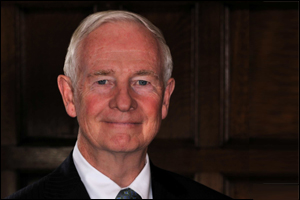
His Excellency the Right Honourable David Johnston, Governor General of Canada, officially launches the Equinox Summit: Energy 2030 with a challenge for Summit participants, as well as those across the globe, to inspire innovation through intense collaboration and explore tools and strategies to lessen our impact on the Earth.
Originally recorded: June 5, 2011



Benchmarking for our Energy Future
If we are to advance technological systems for a low carbon and electrified future, how do we measure progress? Through animated videos and a panel discussion with energy experts, this kick-off session introduces some of the technological challenges and implementation hurdles to be overcome if we are to meet our future electricity needs.
Speakers include:Barry Brook, Walt Patterson, Jatin Nathwani, and Robin Batterham
Originally recorded: June 5, 2011

Plugging in the Planet: Building Capacity for the Future
This plenary session examines today’s emerging energy technologies as well as the challenges associated with meeting global demand as we move toward an increasingly electrified energy system. Speakers include: Jay Apt, Yacine Kadi, Craig Dunn, and Greg Naterer
Originally recorded: June 6, 2011
Related Files

Vaclav Smil: Energy Transitions
Energy transitions: a future without fossil energies is desirable, and it is eventually inevitable, but the road from today's overwhelmingly fossil-fueled civilization to a new global energy system based on efficient conversions of renewable flows will be neither fast nor cheap.
Distinguished Professor and author Vaclav Smil explores technological transitions of past, present and future that are critical for understanding how to shift to a low carbon future.
Originally recorded: June 6, 2011

Energy: The Problem We've Created on TVO's The Agenda with Steve Paikin
What happens when we run out of cheap energy and what lessons are we learning along the way? Energy experts participate in a moderated discussion presented live on TVO’s The Agenda with Steve Paikin. Speakers include: Vaclav Smil, Zoë Caron, Marlo Raynolds, Robin Batterham, and Alán Aspuru-Guzik
Originally recorded: June 6, 2011
Waste Not, Want Not: Investing in Efficiency
This plenary session examines ways to manage energy demand and advance technological ideas that may improve efficiency at every stage of the energy system. Speakers include: Linda Nazar, Jillian Buriak, Alán Aspuru-Guzik, and Cathy Foley
Originally recorded: June 7, 2011
Related Files

Thomas Homer-Dixon: Civilization Far From Equilibrium - Energy, Complexity, and Human Survival
Human societies use complexity – within their institutions and technologies – to address their various problems, and they need high-quality energy to create and sustain this complexity. But now greater complexity is producing diminishing returns in wellbeing, while the energetic cost of key sources of energy is rising fast. Simultaneously, humankind’s problems are becoming vastly harder, which requires societies to deliver yet more complexity and thus consume yet more energy. Resolving this paradox is the central challenge of the 21st century.
Thomas Homer-Dixon holds the CIGI Chair of Global Systems at the Balsillie School of International Affairs in Waterloo, Canada, and is a Professor at the University of Waterloo.
Originally recorded: June 7, 2011
Related Files
Energy: The Way We Move on TVO's The Agenda with Steve Paikin
Trains, planes and automobiles — what are we doing to find new resources and modes of transportation? And will it lead us to rethink how we live? Energy experts participate in a moderated discussion presented live on TVO’s The Agenda with Steve Paikin. Speakers include: David Keith, Greg Naterer, Maria Skyllas-Kazacos, Aaron Leopold, and Jeff Casello
Originally recorded: June 7, 2011
Ensuring Electricity: What Happens if the Lights Go Out?
Today we rely on just-in-time delivery of electricity that is sometimes vulnerable to natural disasters and failure at peak demand. This plenary session examines the reliability, resiliency and security of emerging technologies in an increasingly electrified energy system. Speakers include: Bill Rosehart, Maria Skyllas-Kazacos, Ted Sargent, and Walt Patterson
Originally recorded: June 8, 2011
Related Files

David Keith: Technology, Energy and Nature - Human Values and Open Choices
As humans, we have developed technologies to control energy transformations from agriculture to nuclear weapons. Increasing technological ability has co-evolved with increasing intensity of energy use and growing complexity of our civilization. These forces have shaped our environmental footprint and our very conception of nature.
It's tempting to believe that physical limits constrain our energy and environmental choices as never before; but Dr. Keith argues precisely the opposite: our growing technological leverage makes access to energy and materials cheaper, opening up our options for co-existing with the natural world. These options force us to confront hard choices about our values. Should we treasure nature as it is, or purely as an instrument to human welfare? Our growing ability to engineer the planet makes these choices ever more pressing.
David Keith holds the Canada Research Chair in Energy and Environment, and is a Professor at the University of Calgary and Adjunct Professor at Carnegie Mellon University. He has worked near the interface between climate science, energy technology and public policy for twenty years. His work in technology and policy assessment has centered on the capture and storage of CO2, the technology and implications of global climate engineering the economics and climatic impacts of large-scale wind power and, most recently, the land footprint of energy technologies.
Originally recorded: June 8, 2011
Related Files
Energy: The Way We Live on TVO's The Agenda with Steve Paikin
From the buildings we live in to the places we work — we use a lot of energy to keep our habitats lit, warm and efficient. Is there a better way? Energy experts participate in a moderated discussion presented live on TVO’s The Agenda with Steve Paikin. Speakers include: Cathy Foley, Maria Skyllas-Kazacos, David Keith, Jatin Nathwani, and Terri Meyer Boake
Originally recorded: June 8, 2011
Presentation of the Equinox Communiqué
Born from a unique, international energy summit of scientists, engineers, entrepreneurs and future leaders from around the world, the Equinox Communiqué offers visionary proposals for transformative action on reducing the electricity-related emissions that drive climate change.
Through a series of mini presentations, Summit participants discuss the Equinox Summit: Energy 2030 and explain the six main recommendations outlined in the Equinox Communiqué. These speakers lay the groundwork for a year-long global impact phase, including the release of the detailed and transformative Equinox Blueprint: Energy 2030.
Speakers include: Jatin Nathwani, Jason Blackstock, Jakob Nygard, Yacine Kadi, Lauren Riga, Robin Batterham, Zoë Caron, Maria Skyllas-Kazacos, Marc McArthur, Bill Rosehart, Felipe De Leon, Kerry Cheung, Aaron Leopold, and Cathy Foley
Originally recorded: June 9, 2011
Related Files
Energy: The Way We Share on TVO's The Agenda with Steve Paikin
As the world’s population inches toward the 8 billion mark, energy experts look at how supply and demand of energy will affect global economics and politics in a moderated discussion on TVO’s The Agenda with Steve Paikin. Speakers include: Jason Blackstock, Jian hua Ding, Velma McColl, Vagish Sharma, and Jose Maria Valenzuela
Originally recorded: June 9, 2011
Energy: The Problem To Solve on TVO's The Agenda with Steve Paikin
How hopeful can we be about new technologies paving a path away from our current reliance on oil-based energy? Energy experts investigate the alternatives in a moderated discussion presented live on TVO’s The Agenda with Steve Paikin. Speakers include: Barry Brook, Walt Patterson, Tom Rand, Zoë Caron, and Jatin Nathwani
Originally recorded: June 9, 2011